
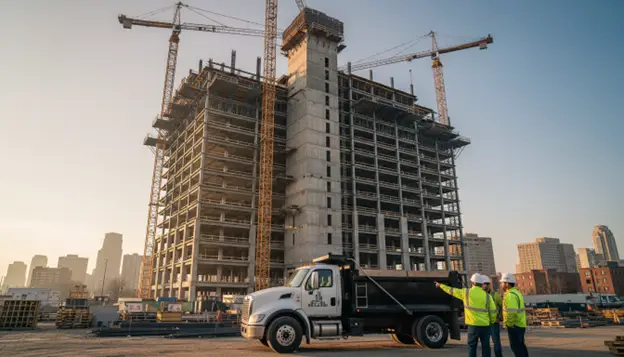
Core and shell construction serves as the fundamental backbone of any commercial development project. Unlike a full build out where every interior detail is completed this method focuses on the base structure and the essential systems required to make a building functional for future tenants. For developers and real estate investors understanding the nuances of core and shell is vital because it establishes the quality and efficiency of the asset before any individual tenant improvements begin. This approach allows for maximum flexibility as it prepares the building shell while leaving the interior spaces ready for customized fit outs tailored to specific business needs.
Defining the Primary Elements of Core and Shell Work
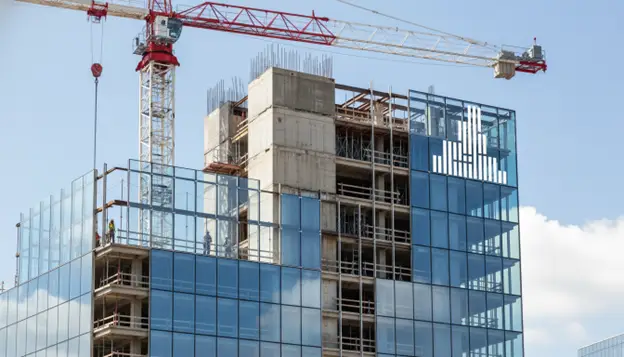
The scope of a core and shell project typically includes the entire building envelope and the shared infrastructure that supports all occupants. This starts with the structural frame whether it is steel or reinforced concrete and extends to the exterior cladding such as curtain walls or masonry. Beyond the visible exterior the core refers to the central vertical spine of the building which houses the elevators stairwells and primary utility risers. By completing these elements first the developer ensures the building is weather tight and structurally sound providing a blank canvas for retail office or hospitality tenants to envision their unique layouts.
Strategic Advantages for Developers and Investors
One of the most significant reasons for choosing the core and shell delivery method is the acceleration of the project timeline. Developers can finalize the main structure and exterior while still negotiating leases with potential tenants. This allows for a faster path to occupancy because the long lead items like structural steel and exterior glazing are handled early in the process. Additionally this model offers a clear division of financial responsibility. The developer invests in the long term durability of the building while the tenants bear the cost of their specific interior finishes which reduces the initial capital expenditure for the property owner.
Integration of Essential Mechanical and Electrical Systems
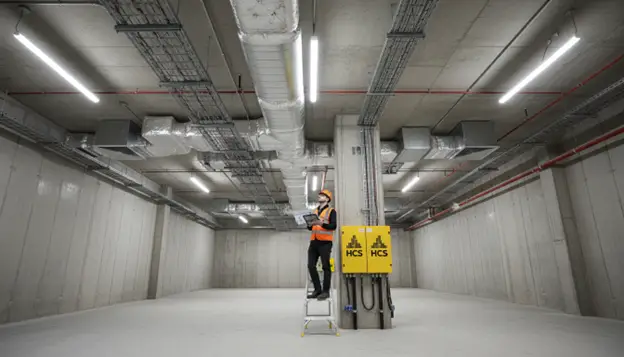
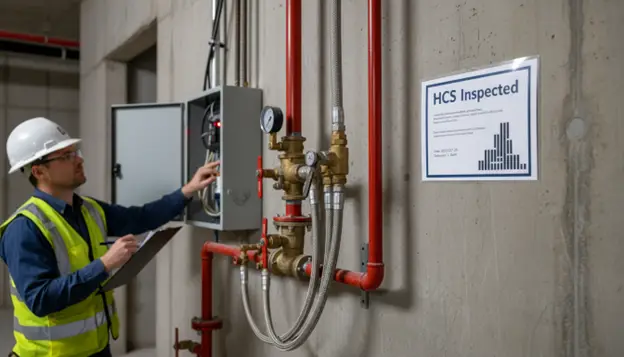
A high performance building is defined by the quality of its mechanical electrical and plumbing infrastructure. In a core and shell project the primary HVAC units electrical transformers and main plumbing lines are installed and brought to each floor. However the distribution of these services within the tenant spaces is left for the next phase of construction. This requires careful engineering to ensure that the base systems have enough capacity to support diverse tenant requirements from high density data centers to luxury restaurant kitchens. At HCS we emphasize the importance of future proofing these systems during the core phase to avoid expensive utility upgrades later in the buildings life cycle.
Navigating Regulatory Compliance and Building Codes
Core and shell construction in the Northeast requires a sophisticated understanding of local building codes and safety regulations. Projects in cities like Boston and New York must meet strict energy efficiency standards and fire safety protocols before a base building certificate of occupancy can be issued. This includes the installation of fire suppression systems life safety alarms and emergency exit lighting within the core areas. Because these regulations are constantly evolving in 2026 it is essential to work with a construction partner who understands how to integrate modern sustainability requirements like LEED or WELL standards into the initial structural phase.
Transitioning from Shell to Tenant Fit Out
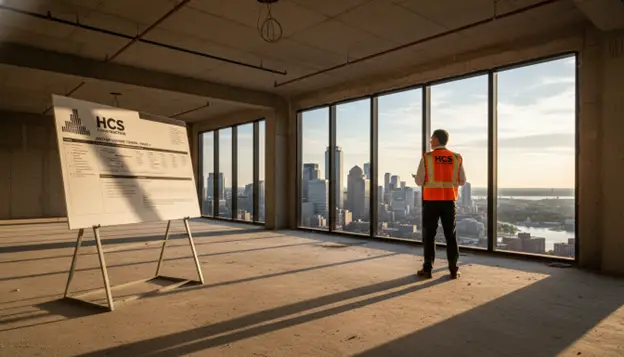
The handover from a core and shell contractor to a tenant improvement team is a critical juncture in the construction lifecycle. This is often referred to as the grey box or cold dark shell stage where the space is delivered with unfinished floors and exposed ceilings. A successful transition depends on the accuracy of the base building drawings and the accessibility of the utility tap ins. Clear communication during the shell phase ensures that when a tenant is ready to begin their interior remodel the infrastructure is perfectly positioned to support their design. This seamless handoff minimizes delays and allows the tenant to move from the construction phase to active business operations as quickly as possible.
Enhancing Asset Value through High Quality Shell Construction
Ultimately the quality of the core and shell determines the long term value of the real estate asset. A well constructed shell with high ceilings expansive window lines and efficient core placement will always attract higher quality tenants and command premium lease rates. By focusing on the structural integrity and the efficiency of the base systems developers create a resilient building that can adapt to changing market trends over many decades. Investing in a superior core and shell today ensures that the building remains a competitive and profitable asset in the evolving commercial landscape of the Northeast.