
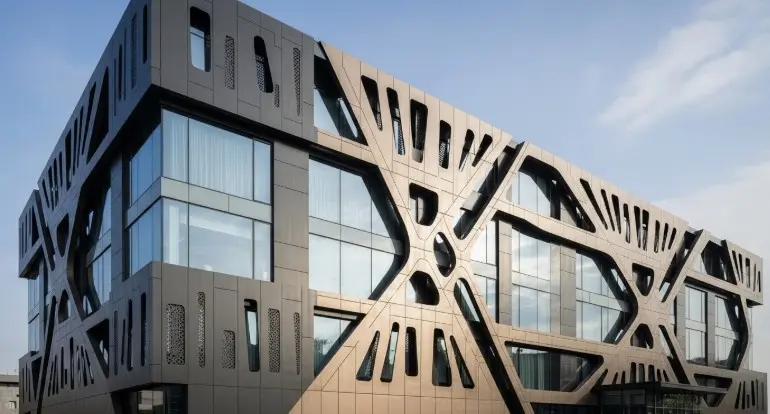
Modern hotel construction is no longer just about concrete and steel, it’s about efficiency, durability, and long-term profitability. With rising hotel construction costs, tighter hotel development timelines, and increasing pressure for sustainable design, developers are turning to advanced materials that deliver both performance and ROI.
One such material reshaping the hospitality construction process is FRP (Fiber Reinforced Polymer). Whether you’re planning a luxury beachfront resort or a mid-scale urban hotel, understanding how FRP fits into hotel building design and execution can significantly impact your project’s success.
For investors, builders, and architects, FRP is not just a material, it’s a strategic decision.
Quick Answer: What Is FRP in Construction? (For Hotel Developers & Investors)
FRP (Fiber Reinforced Polymer) is a composite material made of fibers (glass, carbon, or aramid) embedded in a polymer resin. It is widely used in commercial construction for hotels due to its high strength, lightweight nature, corrosion resistance, and durability.
In hotel projects, FRP is commonly used for:
- Bathroom wall panels and pods
- Exterior facades and cladding
- Structural reinforcement
- HVAC ducts and piping systems
Its biggest advantage? Lower lifecycle costs and faster construction, making it ideal for improving ROI in hotel development.
What Is FRP in Construction? Role Explained in Hotel Construction Projects
What Is FRP in Construction? Key Components and Types
FRP materials vary based on fiber type and resin composition:
- GFRP (Glass Fiber Reinforced Polymer): Cost-effective and widely used
- CFRP (Carbon Fiber Reinforced Polymer): High strength, premium applications
- AFRP (Aramid Fiber Reinforced Polymer): Impact-resistant and durable
Resin systems include:
- Polyester
- Vinyl ester
- Epoxy
Each combination affects performance, cost, and suitability for different hotel applications.
Why FRP Is Used in Hotel Construction & Hospitality Infrastructure
Hotels operate in demanding environments, humidity, heavy usage, and strict design standards.
FRP solves multiple challenges:
- Corrosion resistance: Ideal for bathrooms, pools, and coastal hotels
- Lightweight structure: Reduces structural load and speeds up installation
- Durability: Long lifespan with minimal maintenance
- Design flexibility: Supports complex shapes in modern hotel architecture planning
Real-world example:
In a coastal resort project, traditional steel components corroded within years, increasing maintenance costs. Switching to FRP-based systems eliminated corrosion issues and reduced long-term operational expenses.
Scope of FRP Applications in Hotel Development
FRP is used across multiple stages of hotel construction:
- Prefabricated bathroom pods
- Wet area wall panels
- Exterior cladding systems
- Structural reinforcement in beams and slabs
- HVAC ducting and piping
- Components in modular hotel construction
This versatility makes FRP a high-value material across both structural and non-structural applications.
Key Factors Hotel Owners Must Understand About FRP
Cost Impact of FRP in Hotel Construction
FRP typically has a higher upfront cost than traditional materials. However:
- Reduced installation time lowers labor costs
- Minimal maintenance reduces long-term expenses
- Lower replacement frequency improves lifecycle ROI
Investor insight: The real value of FRP lies in lifecycle cost, not initial price.
Influence on Hotel Construction Timelines
Time is money in hotel development.
FRP enables:
- Prefabrication of components off-site
- Faster on-site assembly
- Reduced dependency on skilled labor
This significantly shortens the hotel development timeline, allowing earlier revenue generation.
Design Flexibility & Architectural Value
FRP supports:
- Custom shapes for luxury interiors
- Seamless finishes for modern aesthetics
- Lightweight facade systems
For high-end hotels, this flexibility enhances brand positioning and guest experience.
Sustainability & Green Building Benefits
FRP contributes to:
- LEED certification goals
- Reduced construction waste
- Energy-efficient production
For developers targeting eco-conscious markets, this is a major advantage.
People Also Ask (Hotel Construction Perspective)
Is FRP Better Than Concrete or Steel in Hotel Construction?
FRP is not a replacement but a complementary material, ideal where corrosion resistance and lightweight properties are critical.
Where Is FRP Commonly Used in Hotels?
Bathrooms, facades, piping systems, and modular units.
Does FRP Reduce Hotel Construction Cost?
Yes, through faster installation and lower maintenance costs.
Is FRP Suitable for Luxury Hotel Projects?
Absolutely, especially for custom design elements and premium finishes.
How Durable Is FRP in Hospitality Environments?
Highly durable, particularly in high-moisture and high-traffic areas.
Step-by-Step: How FRP Is Used in Hotel Construction Projects
Step 1: Design & Material Selection
- Engineers select FRP type based on load, environment, and design goals
- Integration with hotel architecture planning
Step 2: Prefabrication & Manufacturing
- FRP panels and components are manufactured in controlled factory environments
- Ensures consistency and quality
Step 3: Site Preparation & Logistics
- Transport planning for prefabricated units
- Coordination with other construction materials
Step 4: Installation & Integration
- Fast on-site assembly
- Integration with MEP systems (mechanical, electrical, plumbing)
Step 5: Finishing & Quality Control
- Surface treatments for aesthetics
- Inspection for compliance and durability
Comparison: FRP vs Traditional Materials in Hotel Construction
| Material | Strength | Weight | Maintenance | Cost | Best Use in Hotels |
|---|---|---|---|---|---|
| FRP | High | Lightweight | Very Low | Medium-High | Bathrooms, facades, modular units |
| Concrete | Very High | Heavy | Medium | Medium | Structural elements |
| Steel | High | Medium | High (corrosion risk) | High | Framework |
| Wood | Medium | Light | High | Low | Interior finishes |
Cost Breakdown: FRP in Hotel Construction Budgets
Initial Material Costs
- Higher than traditional materials
- Varies based on fiber type and resin
Installation Cost Savings
- Reduced labor requirements
- Faster construction timelines
Long-Term Operational Savings
- Minimal maintenance
- Resistance to corrosion and wear
Cost Variations by Hotel Type
- Budget hotels: Limited FRP use (bathrooms, panels)
- Luxury hotels: Extensive use for design and performance
Regulations, Permits & Compliance for FRP in Hotel Construction
Fire Safety & Building Codes
- Flame spread ratings
- Smoke development standards
Structural & Engineering Standards
- Load-bearing certifications
- Compliance with local building codes
Environmental & Sustainability Regulations
- LEED certification alignment
- Material lifecycle considerations
Common Mistakes Hotel Developers Make with FRP
- Selecting low-quality FRP materials
- Ignoring fire safety compliance
- Poor installation practices
- Overusing FRP without ROI analysis
- Lack of coordination with other systems
Real-world scenario:
A developer installs low-grade FRP panels in bathrooms to cut costs. Within two years, discoloration and cracking lead to costly renovations, erasing initial savings.
ROI & Investment Insights: Why FRP Matters in Hotel Profitability
Reduced Maintenance Costs Over Time
FRP’s durability minimizes repairs in high-use areas.
Faster Construction = Faster Revenue Generation
Shorter build times mean quicker hotel openings and cash flow.
Enhanced Guest Experience Through Design
Modern finishes improve:
- Guest satisfaction
- Online reviews
- Brand perception
Hotel Construction Considerations When Using FRP
Site Selection & Environmental Factors
FRP is ideal for:
- Coastal regions
- High-humidity environments
Design Strategy (Luxury vs Budget Hotels)
- Luxury: Custom FRP designs and finishes
- Budget: Cost-effective panels and modular units
Construction Methods (Modular vs Traditional)
FRP integrates seamlessly with modular hotel construction, reducing on-site complexity and labor.
Sustainability & Green Building Practices
- Reduced waste
- Energy efficiency
- Long lifespan
Operational Efficiency Post-Construction
- Easy maintenance
- Durable performance
- Lower lifecycle costs
FAQs About FRP in Hotel Construction
What Is FRP in Construction and Why Is It Used in Hotels?
FRP is a composite material used for durability, corrosion resistance, and efficiency in hotel projects.
Is FRP Cost-Effective for Hotel Projects?
Yes, especially when considering long-term savings and reduced maintenance.
How Long Does FRP Last in Hotel Environments?
Typically 20–50 years depending on application and quality.
Can FRP Replace Concrete in Hotel Construction?
No, it complements rather than replaces structural materials.
Is FRP Fire-Resistant?
It can be manufactured to meet fire safety standards, but compliance is critical.
Where Should FRP Be Used in Hotel Design?
Bathrooms, facades, duct systems, and modular components.
Does FRP Support Sustainable Hotel Construction?
Yes, through reduced waste and long lifecycle performance.
How Does FRP Affect Hotel Construction Timelines?
It accelerates construction due to prefabrication and faster installation.