
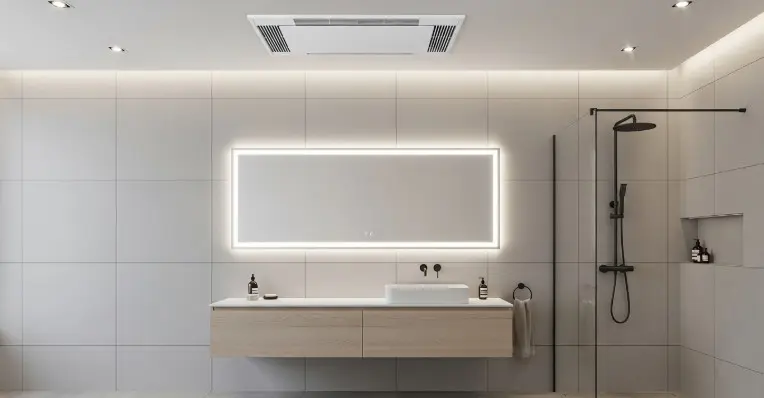
One of the most common questions homeowners ask during bathroom design or renovation is: does a bathroom need a window? The answer is not as simple as yes or no. It depends on building codes, ventilation systems, property type, and modern construction standards.
Bathrooms are high-moisture spaces, and without proper airflow, they can quickly develop mold, odors, and structural damage. That’s why understanding ventilation requirements is more important than simply focusing on whether a window exists.
This guide breaks everything down in a clear, expert-level way so you understand legal requirements, design choices, and modern alternatives like exhaust fans.
Quick Answer – Does a bathroom need a window?
Most bathrooms do NOT legally require a window if proper mechanical ventilation is installed.
Key points to understand:
- Requirements depend on local building codes and housing regulations
- A window is one form of ventilation, but not the only option
- Exhaust fans can fully replace windows in modern bathroom designs
- Proper airflow is mandatory to prevent mold, moisture, and odor problems
In short, ventilation matters more than the physical presence of a window.
Does a Bathroom Need a Window – Building code explanation & real requirements
Building codes vary across regions, but they all focus on one key requirement: adequate ventilation.
There are two main ventilation methods:
- Natural ventilation: windows, vents, or openings
- Mechanical ventilation: exhaust fans or air systems
Most modern building regulations accept either method as long as airflow standards are met.
Does a Bathroom Need a Window in Modern Construction Codes?
In modern construction:
- Many codes allow bathrooms without windows if exhaust fans are installed
- Older homes often relied on windows for ventilation compliance
- Rental units and commercial buildings may have stricter requirements depending on jurisdiction
The key factor is not the window itself, but whether moisture is properly controlled.
Does a Bathroom Have to Have a Window – Common legal Interpretations
Legally, a window is not universally required in bathrooms.
What inspectors actually check:
- Ventilation performance (air changes per hour)
- Moisture control systems
- Compliance with local housing standards
Important exceptions:
- Basements often rely entirely on mechanical ventilation
- Interior bathrooms (no exterior wall access) are designed without windows
- Apartments frequently use exhaust systems instead of windows
The focus is always on ventilation efficiency, not design preference.
Do you need a window in a bathroom – Pros and cons analysis
Benefits of having a bathroom window
- Natural airflow reduces humidity
- Provides natural light, reducing energy usage
- Helps prevent mold buildup in mild climates
Downsides of bathroom windows
- Reduced privacy unless frosted or covered
- Heat loss during winter months
- Limits layout flexibility in small bathrooms
A window can be helpful, but it is not always the most practical solution in modern homes.
Bathroom ventilation alternatives (window vs exhaust system solutions)
Modern bathrooms rely heavily on mechanical systems when windows are not practical.
Common alternatives include:
- Exhaust fans: primary and most effective solution
- Humidity-sensing fans: automatically activate when moisture rises
- Dehumidifiers: additional support in high-moisture environments
In many modern designs, exhaust systems outperform natural ventilation because they provide consistent airflow regardless of weather conditions.
Bathroom Window vs Exhaust Fan Ventilation
| Feature | Bathroom Window | Exhaust Fan |
|---|---|---|
| Ventilation efficiency | Natural but inconsistent | Controlled and consistent |
| Cost | Higher structural changes | Lower installation cost |
| Privacy | Lower privacy | Full privacy |
| Maintenance | Low | Requires periodic cleaning |
| Code compliance | Sometimes required | Often sufficient alternative |
How to Install Exhaust Fan in Bathroom Window
Installing an exhaust fan in a bathroom window is a practical solution for windowed bathrooms needing improved ventilation.
Step 1 – Assess bathroom ventilation needs
- Measure bathroom size
- Evaluate humidity levels after showers
- Determine required airflow (CFM rating)
Step 2 – Choose correct exhaust fan model
- Select fan based on room size
- Ensure it is suitable for window installation
- Check noise level and energy efficiency
Step 3 – Prepare bathroom window opening
- Measure installation area carefully
- Ensure window frame is structurally stable
- Remove or modify glass panel if required
Step 4 – Install exhaust fan unit
- Fit fan securely into window frame or mounting panel
- Seal edges to prevent air leakage
- Ensure airtight and vibration-free installation
Step 5 – Electrical connection & testing
- Connect wiring safely according to electrical codes
- Test airflow performance
- Check noise levels and operation stability
Common problems when bathrooms don’t have windows
Bathrooms without windows can still function well but only if ventilation is properly managed.
Common issues include:
- Moisture buildup on walls and ceilings
- Mold and mildew growth over time
- Persistent unpleasant odors
- Poor indoor air quality
These problems usually occur when ventilation systems are weak or poorly maintained.
People also ask about bathroom windows and ventilation
- Does a bathroom need a window by law?
- Can a bathroom have no window at all?
- Is an exhaust fan enough for a bathroom?
- What happens if a bathroom has no ventilation?
- Which is better: window or exhaust fan in bathroom?
- Do basement bathrooms need windows?
- How do you ventilate a bathroom without a window?
Expert recommendations for bathroom ventilation design
To ensure long-term performance and hygiene:
- Always prioritize airflow over aesthetics
- Combine exhaust fans with passive ventilation when possible
- Use moisture-resistant materials in windowless bathrooms
- Maintain ventilation systems regularly
- Design bathrooms for long-term humidity control, not just appearance
Proper planning at the design stage prevents expensive moisture damage later.
Conclusion – does a bathroom need a window?
A bathroom does not always legally require a window. The real requirement is effective ventilation.
Key takeaways:
- Building codes focus on airflow, not windows
- Exhaust fans are a reliable modern alternative
- Windows are helpful but not mandatory in most cases
- Proper ventilation prevents mold, odor, and structural damage
Ultimately, the best solution depends on your bathroom layout, local regulations, and design goals. With correct planning, even a windowless bathroom can remain healthy, comfortable, and fully compliant.