
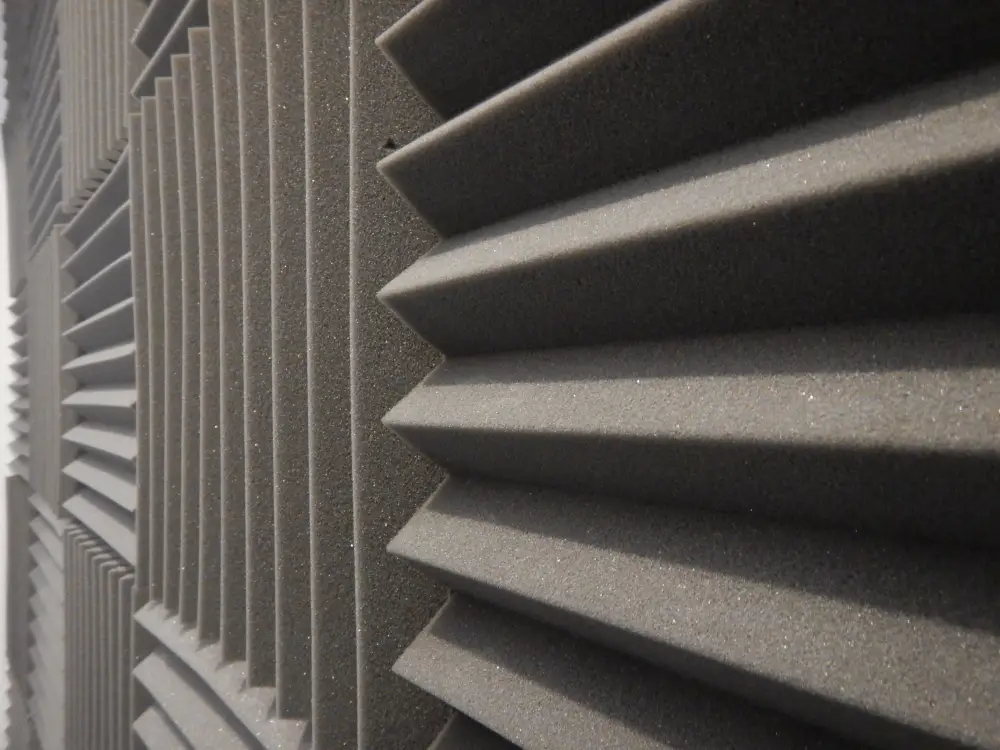
Sound is one of the most consistent complaints in hotel guest reviews, and it is also one of the most preventable problems in a renovation. Noise from adjacent rooms, hallway traffic, HVAC systems, and exterior sources has a measurable impact on how guests rate their stay. For hotel owners investing in a guestroom remodel, acoustic performance deserves the same attention as finishes, fixtures, and furniture.
The technology available for hotel guestroom soundproofing has advanced considerably, and integrating these solutions into a renovation is much more practical than it used to be.
Why Sound Management Matters in Hotel Renovation
A guest who sleeps poorly due to noise is unlikely to leave a positive review, regardless of how well the room looks. Sound transmission through walls, floors, and ceilings affects perceived quality in ways that go beyond comfort. It affects ratings, repeat business, and brand perception.
For high-traffic hotels operating in urban environments, near airports, or along busy corridors, acoustic performance in the guestroom has to be part of the renovation conversation from day one. Retrofitting acoustic solutions after a renovation is complete is far more expensive and disruptive than addressing them during the original scope.
The Building Envelope
Walls & Party Walls
The wall assembly between guestrooms, often called the party wall, is the most important acoustic consideration in a guestroom renovation. Standard drywall assemblies used in many older hotels provide a Sound Transmission Class rating that does not meet current guest expectations.
Modern approaches include adding mass-loaded vinyl between drywall layers, using staggered-stud or double-stud wall framing to break the path sound travels through, and incorporating acoustic batts within the cavity. Resilient channels, which decouple the drywall from the framing, are another tool that significantly reduces sound transmission without requiring a dramatic increase in wall thickness.
For a renovation already opening walls, these upgrades can often be incorporated with minimal added cost relative to the total scope of the project.
Windows & Exterior Noise
Properties in high-noise environments near highways, rail lines, or airports often see acoustic performance limited by the window assemblies. Single-pane or older double-pane windows allow significant sound transmission.
Replacement windows with laminated glass, wider air gaps, and acoustic-rated frame seals provide meaningfully better performance. For properties where window replacement is part of the renovation scope, acoustic specifications should be part of the selection criteria alongside energy performance.
Floors, Ceilings, & Impact Noise
IIC Ratings & What They Mean
Impact Isolation Class is the measure used to evaluate how well a floor assembly reduces the transmission of impact noise from one floor to the next. This includes footsteps, dropped objects, and furniture movement. Many hotels have IIC ratings that were acceptable at the time of original construction but fall short of current standards.
Underlayment products installed beneath hard-surface flooring materials provide impact noise reduction and can be incorporated into a flooring renovation. Acoustic ceiling tiles or resilient ceiling assemblies help reduce sound transmission from above as well.
In concrete construction, the options are somewhat more limited than in wood-framed buildings, but the use of floating floor systems and decoupled ceiling assemblies can still produce meaningful improvements.
Doors, HVAC, & the Gaps Nobody Notices
Guestroom doors are a common weak point. A solid-core door with proper acoustic gaskets and an automatic door bottom seal can substantially reduce corridor noise compared to a standard hollow-core installation. The gap at the bottom of a door is often overlooked, but it is a direct path for sound to travel.
HVAC systems introduce both mechanical noise from the equipment itself and flanking noise that travels through ductwork. Low-velocity air distribution reduces the noise generated by airflow. Flexible duct connectors isolate vibration from air handling units. Fan coil units should be selected with noise ratings in mind.
Pipe penetrations, electrical boxes, and any other opening through a party wall or floor assembly need to be properly sealed with acoustic sealant to prevent flanking paths. These details are small in isolation but collectively have a large impact on the room’s acoustic performance.
Technology in Modern Soundproofing
Beyond physical construction methods, sound masking technology has become more common in hotel settings. Sound masking systems produce a low-level ambient sound that raises the threshold at which intrusive noise becomes noticeable. They do not eliminate sound transmission but reduce its perceptibility.
These systems are installed in the ceiling plenum and are tuned to specific environments. In corridors and public areas, they can improve the overall sense of acoustic comfort without requiring changes to the building structure.
Integrating Acoustic Work into a Renovation Schedule
The most effective time to address acoustic performance is during a renovation when walls are open, floors are being replaced, and ceilings are accessible. Identifying the acoustic scope early, before the design is finalized, allows these upgrades to be integrated into the construction documents rather than treated as afterthoughts.
Acoustic consultants are sometimes brought in for larger projects, particularly those with significant sound transmission issues or where brand standards require specific performance metrics. For many mid-scale renovations, a contractor with experience in hotel acoustic construction can address these requirements directly without a separate consultant engagement.
Getting acoustic performance right during a renovation is one of the investments that pays back in guest satisfaction and review scores long after the project is complete.