
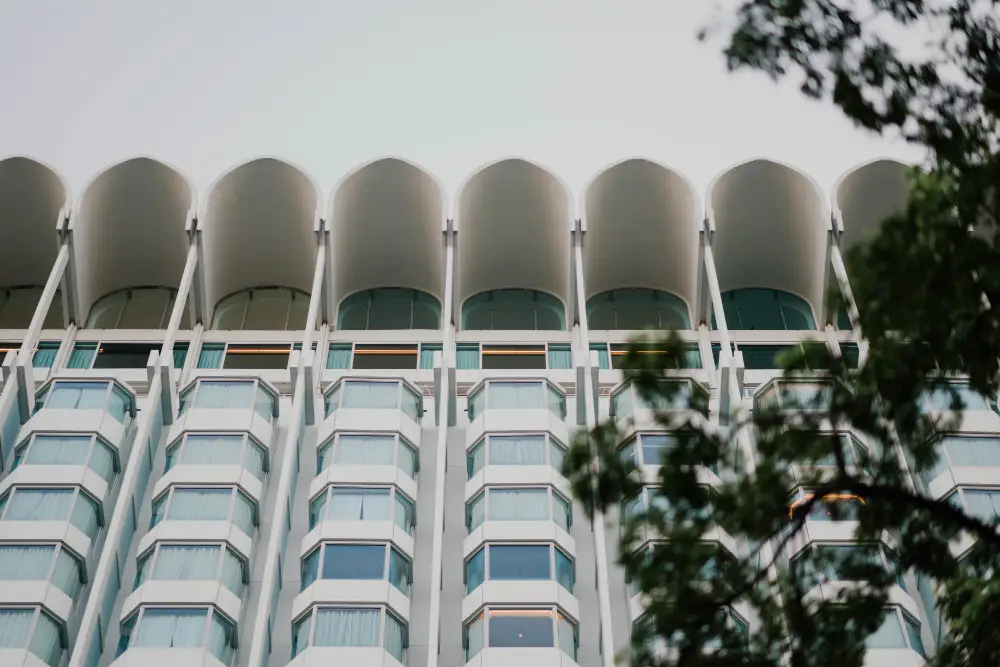
What Are Branded Residences
Branded residences are private residential units that carry the name, service model, and amenities of a hotel brand. Buyers purchase residential ownership in a building that is operated or affiliated with a recognized hotel flag, gaining access to hotel-quality services and management while holding title to their unit. The concept originated in the luxury segment with brands including Four Seasons, Ritz-Carlton, and St. Regis. The model has since expanded to include upper-midscale and lifestyle brands entering the branded residential market alongside their hotel operations. The defining characteristic is the combination of private ownership with the service delivery infrastructure of a hotel operation, which creates a product that neither a pure residential building nor a standard hotel delivers on its own.
Why This Trend Is Growing
Demand for branded residences has grown by over 160% in the past decade, driven by buyers who value the combination of ownership security and hotel-quality service in a single asset. The appeal is particularly strong among buyers who travel frequently and want a maintained, serviced residence that does not require active property management on their part. For hotel owners, branded residences represent a revenue diversification opportunity that produces sales proceeds at development or conversion, ongoing management fees, and increased asset value through the brand premium attached to residential units. The model has demonstrated resilience across market cycles because the buyer profile overlaps with the high-income segment that is least affected by economic downturns, making it more stable than standard residential development through market volatility.
How Hotels Are Converting to Branded Residences
Partial Conversion
The most common approach is partial conversion, where a hotel repurposes a portion of its room inventory or an adjacent building into residential units while maintaining hotel operations. Upper floors or an attached tower are separated from the hotel operation and converted to residential use, with shared access to hotel amenities including spa, food and beverage, and concierge services. This structure allows the hotel to continue generating room revenue from the retained inventory while producing sales proceeds from the residential conversion.
Mixed-Use Development
New development projects increasingly incorporate branded residences alongside hotel keys from the design phase rather than converting existing inventory. This structure allows developers to pre-sell residential units and use sales proceeds to fund hotel construction, reducing the equity required to complete the full project. Renovation of existing hotels into mixed-use developments requires zoning approval and structural assessment to determine if the building can support the change of use and the additional infrastructure that residential units require.
Benefits for Hotel Owners
Revenue Diversification
Branded residence sales generate lump-sum proceeds that can be substantial at scale. A 50-unit conversion in a major market at $1 million to $3 million per unit produces $50 million to $150 million in sales revenue that is not dependent on nightly occupancy or seasonal demand fluctuation. Owners who retain a management role in the residential units earn ongoing fees from services delivered to residents, adding a recurring revenue stream alongside the upfront sales proceeds.
Property Value Increase
The brand premium associated with a recognized hotel flag adds value to residential units above what the same units would command without the brand affiliation. This premium has been documented at 20% to 30% above comparable non-branded residential products in major markets, which directly supports the economic case for the conversion investment and the renovation cost required to meet brand residential specifications.
Operational Synergy
Shared infrastructure between the hotel and residential units, including food and beverage, fitness, spa, and maintenance services, allows the hotel to operate amenities at higher utilization than a hotel-only population could sustain. Residents use these services daily and consistently, which supports the financial viability of amenities that a hotel occupancy pattern alone might not justify across the full calendar year.
Cost & Renovation Requirements
Converting hotel rooms or hotel-adjacent space to branded residences requires renovation that meets both brand standards for the residential product and building code requirements for the change of use. Unit upgrades to residential specification add kitchen facilities, upgraded bathroom fixtures, and storage elements that exceed hotel guestroom requirements significantly. Kitchen installation in a former hotel room is the largest single cost item, requiring new plumbing, ventilation, and electrical work that the original hotel construction did not include. Total renovation cost for branded residence conversion runs $50,000 to $150,000 per unit depending on the brand’s specification requirements and the extent of structural modification needed to support residential use.
Target Market & ROI
The primary buyer in the branded residence market is a high-net-worth individual seeking a maintained second home in a market they visit regularly. Investors who intend to participate in a hotel rental program when they are not in residence represent a second buyer profile that is common in resort and urban markets. Long-term residents drawn to the service model make up a third segment in urban markets where the branded residence serves as a primary home. Sales revenue from branded residence units is typically recognized ahead of or during construction, which provides capital that reduces the owner’s net investment. Asset appreciation in branded residence projects has tracked above general residential market appreciation in primary markets, supported by the brand premium and limited supply of hotel-affiliated residential products.
Challenges & Risks
Zoning approval is required in most jurisdictions to add residential use to a hotel property, and the approval process can be lengthy in markets with restrictive land use regulation. Brand requirements for the residential product are specific and must be met before units can be marketed under the brand’s name, which adds cost and design constraints to the renovation scope. High upfront renovation cost per unit requires confident sales projections to support the investment before construction begins. Markets with limited luxury residential demand may not support the pricing required to justify the conversion cost relative to the return from continued hotel-only operation.
When This Strategy Makes Sense
Branded residence conversion makes sense for hotel owners with properties in markets that have demonstrated demand for luxury or upper-midscale residential ownership, particularly in urban centers, resort destinations, and lifestyle markets with limited supply of hotel-affiliated residential product. Properties with excess room inventory, underutilized upper floors, or adjacent land suitable for residential development are the strongest candidates. The strategy requires a hotel brand willing to extend its license to a residential product and a development team with experience in both hotel and residential construction to execute the conversion to the standard both the brand and the buyer expect.