
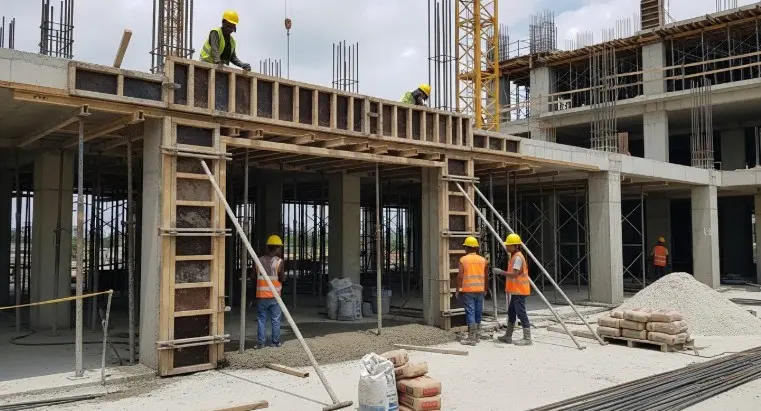
In hotel construction, every structural detail directly affects safety, design flexibility, construction speed, and long-term operational cost. One of the most overlooked yet fundamentally critical elements is the lintel.
Whether you are developing a luxury resort, mid-scale business hotel, or a modular hospitality asset, lintels play a silent but powerful role in ensuring your building stands safely while supporting modern architectural designs.
For investors and developers focused on hotel construction cost control, structural reliability, and faster hotel development timelines, understanding lintels is not optional, it is essential.
Quick Answer: What is a Lintel in Construction? (For Hotel Developers & Investors)
A lintel is a horizontal structural element placed above doors, windows, and openings that supports the load from the structure above.
It:
- Transfers weight to surrounding walls or columns
- Prevents cracking or collapse over openings
- Ensures structural stability in hotels with multiple room layouts
- Directly influences hotel building design and long-term durability
In commercial construction for hotels, lintels are essential because hotels require frequent wall openings for rooms, corridors, lobbies, and service areas.
Role of Lintels in Hotel Construction Projects
Structural Concept in Hospitality Buildings
Lintels function as load-distribution elements that:
- Carry weight above openings such as doors and windows
- Prevent stress concentration in masonry walls
- Enable flexible architectural layouts in hotel architecture planning
- Support repetitive room-based structural design in hotels
Without lintels, every opening would weaken the structural system, making multi-room hotel layouts unsafe.
Why Lintels Are Critical in Hotel Infrastructure
Hotels are structurally complex because they include:
- Repetitive guest room modules
- High-density wall openings
- Heavy MEP systems (HVAC, plumbing, electrical routing)
- Large public spaces like lobbies and banquet halls
Lintels ensure:
- Structural safety in high-occupancy environments
- Load stability across multiple floors
- Design flexibility for modern hospitality architecture
- Reduced long-term maintenance issues
Scope of Lintel Applications in Hotel Construction
Lintels are used throughout nearly every zone of a hotel, including:
- Guest room doors and windows
- Lobby entrances and glass façades
- Corridor openings and fire escape routes
- Kitchen and back-of-house service areas
- Exterior architectural elements
- Prefabricated modules in modular hotel construction
Key Factors Hotel Owners Must Understand About Lintels
Cost Impact in Hotel Construction
Lintel selection affects overall hotel construction cost:
- RCC lintels → economical, widely used
- Steel lintels → higher cost, used for long spans
- Poor design → leads to rework and structural inefficiency
A properly engineered lintel system reduces lifecycle costs significantly.
Influence on Hotel Development Timeline
Lintels directly affect construction speed:
- Early planning prevents workflow delays
- Incorrect placement slows masonry and finishing works
- Impacts critical path in the hotel development timeline
Design and Architectural Flexibility
Lintels allow architects to:
- Create wide openings for luxury hotel façades
- Design open-plan lobbies
- Incorporate glass-heavy modern aesthetics
- Maintain structural balance while enhancing visual appeal
Sustainability and Structural Efficiency
Efficient lintel design contributes to:
- Reduced construction waste
- Optimized material usage
- Improved durability
- Better alignment with green building and LEED principles
People Also Ask
What is the purpose of a lintel in construction projects?
It supports structural loads above openings and prevents wall failure.
What materials are used for lintels in hotels?
Reinforced concrete (RCC), steel, precast concrete, and sometimes timber.
Can lintels be used in high-rise hotel buildings?
Yes, they are integrated with structural frames in high-rise systems.
What happens if a lintel fails in construction?
It can cause cracks, deformation, or structural instability above openings.
Are lintels necessary in modular hotel construction?
Yes, though they are often pre-integrated into prefabricated units.
How Lintels Are Used in Hotel Construction Projects
Structural Design and Load Calculation
Engineers first determine:
- Load above openings
- Span width
- Structural reinforcement requirements
Material Selection
Common choices include:
- RCC for standard hotel structures
- Steel for long spans and luxury spaces
- Precast systems for fast-track projects
Installation During Wall Construction
- Placed above openings during masonry work
- Aligned with structural grid
- Integrated into load-bearing wall systems
Integration with Hotel Architecture Planning
Coordination ensures:
- Consistent façade design
- Alignment with interior layouts
- Structural and aesthetic harmony
Inspection and Structural Validation
Includes:
- Load testing
- Code compliance checks
- Structural safety verification
Comparison: Types of Lintels in Hotel Construction
| Type | Material | Strength | Cost | Best Use in Hotels |
|---|---|---|---|---|
| RCC Lintel | Reinforced Concrete | High | Medium | Standard rooms, corridors |
| Steel Lintel | Steel beams | Very High | High | Luxury lobbies, large spans |
| Timber Lintel | Wood | Low–Medium | Low | Interior partitions |
| Precast Lintel | Factory-made concrete | High | Medium | Modular hotel construction |
Cost Breakdown: Lintels in Hotel Construction
Direct Material Costs
- Concrete or steel
- Reinforcement bars
- Formwork systems
Installation Costs
- Labor and placement
- Formwork and curing
- Alignment and finishing
Indirect Cost Impact
- Rework due to errors
- Construction delays
- Interior finishing disruption
Cost Variations by Hotel Type
- Budget hotels → standard RCC systems
- Luxury hotels → steel or custom lintels
- Resorts → large-span architectural systems
Regulations and Compliance Considerations
Building Code Compliance
Lintels must meet structural load-bearing standards.
Structural Engineering Standards
Require proper reinforcement detailing and load distribution.
Hospitality Safety Requirements
Ensure safe evacuation paths and structural reliability under load stress.
Common Mistakes in Lintel Design and Execution
- Undersized lintel selection
- Ignoring structural load calculations
- Poor coordination between architect and engineer
- Using low-grade materials
- Delayed installation affecting project workflow
ROI and Investment Importance of Lintels
Structural Safety = Long-Term Asset Protection
Prevents expensive structural failures.
Faster Construction = Faster Revenue Generation
Correct lintel planning reduces delays.
Reduced Maintenance Costs
Strong lintels prevent cracking and repair expenses.
Hotel Construction Considerations Influenced by Lintels
Site Conditions
Seismic zones and soil conditions affect design requirements.
Design Strategy
- Luxury hotels → large-span architectural openings
- Budget hotels → standardized structural systems
Construction Methods
- Modular construction uses precast lintels
- Traditional methods use on-site casting
Sustainability
Efficient design reduces environmental impact and material waste.
Operational Efficiency
Better structural integrity reduces long-term maintenance disruptions.
FAQs
What is a lintel in construction and why is it important in hotels?
It is a structural support above openings that ensures safety and stability in hotel buildings.
What materials are best for lintels in hotel projects?
RCC, steel, and precast concrete depending on design and budget.
How do lintels affect hotel construction cost?
They influence material, labor, and rework costs if not properly designed.
Are lintels required in modular hotel construction?
Yes, but often integrated into prefabricated structural systems.
What happens if a lintel is improperly installed?
It can cause cracking, instability, and structural failure risks.
Can lintels support luxury hotel designs?
Yes, especially steel lintels used for large-span architectural designs.
Do lintels impact hotel structural safety?
Yes, they are critical for load distribution and overall stability.
Conclusion
Lintels are a fundamental yet often overlooked component of hotel construction. They ensure structural safety, enable architectural flexibility, and contribute to long-term cost efficiency.
For developers and investors, properly designed lintel systems directly impact hotel construction cost control, project timelines, and asset durability.
In modern hospitality development, lintels are not just structural elements, they are strategic enablers of safe, efficient, and profitable hotel projects.