Introduction: Why Purlins Matter in Hotel Construction Projects
In hotel development, structural decisions directly influence cost, safety, and long-term performance. One often overlooked but highly critical element in commercial construction for hotels is the purlin.
While investors typically focus on foundations, façade systems, and interiors, experienced engineers understand that roof structure efficiency, especially purlins, can significantly impact hotel construction cost, durability, and timeline performance.
In modern hotel building design, purlins are essential for creating strong, lightweight, and cost-efficient roof systems that support everything from luxury resorts to large-scale urban hotels.
Quick Answer: What is a Purlin in Construction? (For Hotel Developers & Investors)
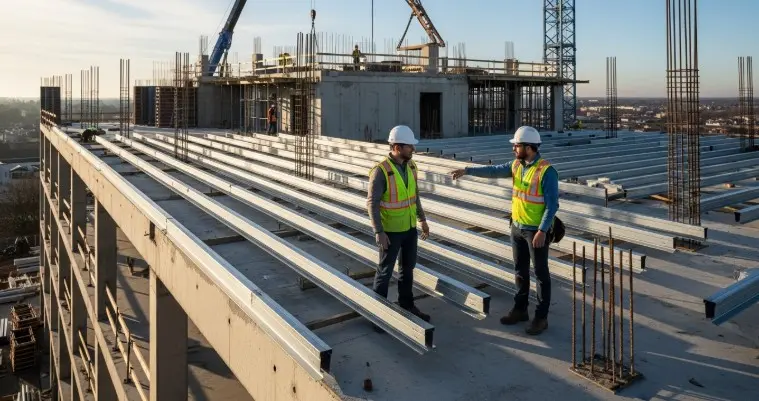
A purlin in construction is a horizontal structural member used in roof systems to support roof sheets or decking and transfer loads to primary structural elements like rafters or beams.
In hotel construction, purlins are essential for:
- Supporting large-span roofing systems in hotels and resorts
- Distributing roof loads efficiently
- Reducing structural steel usage and construction cost
- Enabling flexible architectural roof designs
They play a direct role in structural stability, cost efficiency, and construction speed in hospitality projects.
What is a Purlin in Construction? Role Explained in Hotel Development Projects
What is a Purlin in Construction? Key Structural Concept in Hospitality Buildings
Purlins act as secondary structural members placed between primary roof supports.
In hotel architecture planning, purlins:
- Support roof cladding systems (metal sheets, panels, insulation layers)
- Reduce load stress on rafters and trusses
- Improve structural efficiency in wide-span hotel spaces
- Enable modern roof shapes in luxury hotel design
Why Purlins Are Critical in Hotel Construction & Hospitality Infrastructure
Hotels require large open spaces such as lobbies, banquet halls, and resort atriums. Purlins help achieve this by:
- Allowing wide-span roofing without excessive structural weight
- Reducing material consumption in structural systems
- Supporting cost-efficient hospitality construction process planning
- Enhancing flexibility in architectural design
Without properly designed purlins, roofs may suffer from deflection, instability, or increased construction cost.
Scope of Purlin Applications in Hotel Construction Projects
Purlins are used across multiple hotel structural systems:
- Hotel roofing systems (flat, pitched, curved)
- Banquet halls and conference centers
- Resort villas and beachfront hotels
- Modular hotel construction roof assemblies
- Parking structures and service buildings
- Large atriums and lobby spaces
Key Factors Hotel Owners Must Understand About Purlins
Cost Impact of Purlins in Hotel Construction
- Steel purlins increase upfront cost but improve long-term durability
- Timber purlins reduce initial cost but limit structural capacity
- Efficient purlin design reduces total steel consumption
Influence on Hotel Development Timeline
- Prefabricated steel purlins accelerate installation
- Poor sequencing delays roofing and waterproofing stages
Design & Architectural Flexibility
- Supports luxury hotel lobby roof spans
- Enables curved and complex roof geometry
- Integrates with modern architectural systems
Sustainability & Structural Efficiency
- Steel purlins are recyclable and eco-friendly
- Lightweight systems reduce foundation loads
- Improves material efficiency in construction
How Purlins Are Used in Hotel Construction Projects
Step 1: Structural Roof Design & Load Analysis
Engineers calculate wind, snow, and dead loads to determine spacing and type.
Step 2: Material Selection
- Steel (most common in hotels)
- Timber (budget hotels)
- Aluminum (lightweight luxury systems)
Step 3: Fabrication & Prefabrication
Purlins are pre-cut and drilled for accuracy, especially in modular hotel construction.
Step 4: Installation on Roof Structure
Purlins are fixed to rafters or trusses and aligned for uniform load distribution.
Step 5: Roof Decking & Finishing
Roof sheets, insulation, and waterproofing systems are installed over purlins.
Comparison: Types of Purlins in Hotel Construction
| Type | Material | Strength | Cost | Best Use in Hotels |
|---|---|---|---|---|
| Z-Purlins | Steel | High | Medium | Large hotel roofs |
| C-Purlins | Steel | Medium-High | Medium | Mid-scale hotels |
| Timber Purlins | Wood | Low-Medium | Low | Budget hotels |
| Aluminum Purlins | Aluminum | Medium | High | Luxury lightweight roofs |
Cost Breakdown: Purlins in Hotel Construction Budgets
Direct Cost Components
- Steel or timber materials
- Fabrication and cutting
- Installation labor
- Fasteners and connectors
Indirect Cost Benefits
- Reduced structural steel usage
- Faster roof completion
- Lower maintenance over lifecycle
Cost Variation by Hotel Type
- Budget hotels → timber or basic steel
- Mid-scale hotels → C/Z steel systems
- Luxury hotels → engineered high-strength steel
- Resorts → corrosion-resistant systems
Regulations, Permits & Compliance for Purlins
Building Code Compliance
Purlins must meet structural safety codes, load standards, and fire resistance requirements.
Engineering Standards
- Wind uplift resistance
- Deflection limits
- Seismic load compliance
Inspection Requirements
Roof framing inspections are mandatory before enclosure and occupancy approval.
Common Mistakes Hotel Developers Make with Purlins
- Incorrect spacing for load conditions
- Ignoring coastal wind uplift forces
- Choosing low-grade steel to cut cost
- Poor coordination with roofing teams
- Lack of corrosion protection planning
ROI & Investment Insights: Why Purlins Matter in Hotel Profitability
Structural Efficiency = Lower Cost
Optimized purlin systems reduce steel usage and labor costs.
Faster Construction = Earlier Revenue
Faster roofing completion accelerates hotel opening timelines.
Improved Guest Experience
Stronger roof systems reduce leaks and noise issues.
Long-Term Asset Protection
Proper design prevents structural roof failures and repair costs.
Hotel Construction Considerations Influenced by Purlins
Site Selection & Climate Conditions
Coastal and snowy regions require specialized purlin systems.
Design Strategy (Luxury vs Budget Hotels)
Luxury hotels use engineered steel systems; budget hotels use simpler solutions.
Construction Methods
Modular hotels rely heavily on prefabricated purlin systems.
Sustainability Goals
Steel purlins support recyclable and low-waste construction practices.
FAQs About Purlins in Construction
What is a purlin in construction and why is it important for hotels?
It supports roofing systems and distributes structural loads efficiently.
What materials are used for purlins in hotels?
Steel, timber, and aluminum depending on design and budget.
What is the difference between purlins and rafters?
Rafters are primary supports; purlins are secondary load distributors.
Are purlins used in all hotel buildings?
Yes, especially in roof framing systems.
Can purlins affect hotel construction cost?
Yes, they influence material efficiency and structural design cost.
Are purlins important in modular hotel construction?
Yes, they are often pre-engineered for faster assembly.
How long do steel purlins last in hotels?
Several decades with proper coating and maintenance.
Conclusion: The Strategic Role of Purlins in Hotel Construction Success
Purlins may seem like a small structural component, but they have a major impact on hotel construction efficiency and performance.
They ensure:
- Strong and stable roofing systems
- Lower hotel construction cost through material optimization
- Faster project execution and earlier revenue generation
- Long-term structural durability in hospitality assets
For hotel developers, architects, and investors, optimizing purlin design is a strategic decision that directly improves ROI, safety, and construction performance in modern hospitality infrastructure.