
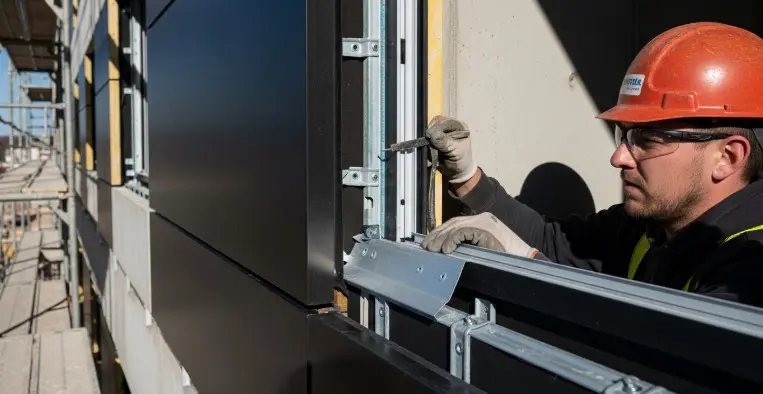
Water intrusion is one of the most expensive long-term risks in hotel construction. A single leak in a luxury suite, façade system, or rooftop can damage interiors worth thousands of dollars and impact guest experience instantly.
This is where flashing becomes critical.
In commercial construction for hotels, flashing is a fundamental waterproofing detail that protects the building envelope, prevents moisture intrusion, and ensures long-term durability of structural and aesthetic components. While often overlooked in early planning, it plays a major role in hotel construction cost control, maintenance reduction, and asset value protection.
For hotel developers, architects, and investors, understanding flashing is not optional, it is part of risk management and lifecycle performance.
Quick Answer: What is Flashing in Construction? (For Hotel Developers & Investors)
Flashing in construction is a thin waterproof material installed at joints, edges, and openings to prevent water penetration into a building.
In hotel projects, it is commonly used around:
- Windows and doors
- Roof edges and penetrations
- Balconies and terraces
- Curtain wall systems
Its primary function is to direct water away from vulnerable areas of the structure, protecting insulation, interiors, and structural components.
In hotel building design, flashing directly impacts durability, guest comfort, and long-term operational efficiency.
What is Flashing in Construction? Role Explained in Hotel Development Projects
Flashing is a critical part of the building envelope system in hospitality infrastructure. It works as a protective barrier that ensures water does not enter structural joints.
What is Flashing in Construction? Key Waterproofing Concept in Hospitality Buildings
In hotel construction, flashing is integrated into multiple layers of the structure:
- Redirects rainwater away from joints and seams
- Protects insulation and interior finishes
- Maintains facade integrity under weather exposure
Hotels are especially sensitive because interior finishes, marble, wood paneling, luxury fabrics, are expensive and easily damaged by moisture.
Flashing ensures that the architectural design remains intact over time without deterioration.
Why Flashing Is Critical in Hotel Construction & Hospitality Infrastructure
Hotels are high-value, high-occupancy assets. Any water damage directly impacts revenue and reputation.
Flashing is essential because:
- Hotels use complex facade systems (glass, EIF’S, curtain walls)
- Multiple openings increase leakage risk
- Guest experience depends on flawless interiors
- Insurance and compliance requirements are strict
Without proper flashing, issues like mold, leaks, and structural decay can escalate quickly—leading to high repair costs and operational disruption.
Scope of Flashing in Hotel Construction Projects
Flashing is used throughout the hospitality construction process:
- Window and door openings
- Roof junctions and parapets
- Balcony and terrace edges
- Basement wall transitions
- Curtain wall systems
- Modular hotel construction panel joints
Each of these areas represents a potential water entry point that must be sealed properly.
Key Factors Hotel Owners Must Understand About Flashing
Cost Impact on Hotel Construction Budget
Flashing materials (metal, membranes, sealants) add a relatively small upfront cost but prevent major long-term losses.
Poor flashing installation can significantly increase hotel construction cost due to:
- Interior damage repairs
- Rework of facade systems
- Operational downtime
Influence on Hotel Development Timeline
Flashing must be installed during roofing and facade phases. Mistakes here often require demolition and rework, causing delays in:
- Finishing works
- Interior fit-outs
- Final inspections
Design & Architectural Integration
Modern hotel architecture planning integrates flashing into facade design. It is especially important in:
- Glass-heavy luxury hotels
- Coastal resorts exposed to heavy rain
- High-rise urban developments
Sustainability & Building Performance
Proper flashing supports sustainability goals by:
- Preventing moisture damage and material waste
- Improving insulation efficiency
- Supporting LEED-certified construction standards
How Flashing Is Installed in Hotel Construction
Step 1: Design & Detailing
Architects identify all water-exposed joints in hotel building design.
Step 2: Material Selection
Materials like aluminum, copper, or waterproof membranes are selected based on climate and hotel type.
Step 3: Surface Preparation
Surfaces are cleaned and prepped for adhesion and installation.
Step 4: Installation at Critical Points
Flashing is installed around windows, roofs, and facade intersections.
Step 5: Sealing & Integration
Flashing is sealed and integrated with waterproofing systems.
Step 6: Inspection & Quality Control
Final inspection ensures no gaps, misalignment, or leakage risk.
Types of Flashing in Hotel Construction
| Type | Material | Cost | Durability | Best Use in Hotels |
|---|---|---|---|---|
| Metal Flashing | Aluminum/Steel | Medium | High | Roofs, façades |
| Membrane Flashing | Bituminous/Synthetic | Low–Medium | Medium | Windows, doors |
| Rubber Flashing | EPDM | Medium | High | Roof systems |
| Copper Flashing | Copper | High | Very High | Luxury hotels |
Cost Breakdown: Flashing in Hotel Construction
Direct Costs
- Materials (metal, membranes, sealants)
- Labor installation
- Waterproofing integration
Indirect Cost Benefits
- Reduced maintenance expenses
- Prevention of water damage
- Protection of interiors and finishes
Hotel Type Variations
- Budget hotels → basic membrane flashing
- Luxury hotels → premium metal or copper systems
- Resorts → weather-resistant reinforced systems
Regulations, Permits & Compliance
Flashing must comply with building and waterproofing codes.
Key requirements include:
- Moisture protection standards
- Fire-safe façade integration
- Drainage and water management compliance
In hotel projects, inspection approval often depends on proper envelope sealing.
Common Mistakes in Hotel Construction Flashing
- Improper installation techniques
- Ignoring climate-specific design
- Using low-quality materials
- Poor coordination between trades
- Skipping inspection phases
These mistakes often lead to expensive facade failures.
ROI & Investment Insights: Why Flashing Matters
Flashing directly contributes to hotel profitability:
Reduced Maintenance Costs
Prevents leaks, mold, and structural deterioration.
Improved Guest Experience
No water intrusion means higher reviews and brand trust.
Long-Term Asset Protection
Extends building lifespan and reduces capital expenditure.
Hotel Construction Considerations Influenced by Flashing
Site Selection & Climate
Coastal and high-rainfall zones require advanced flashing systems.
Design Strategy
Luxury hotels require precision detailing for aesthetic façades.
Construction Methods
Modular construction benefits from pre-installed flashing systems.
Sustainability Goals
Reduces waste and improves building performance.
FAQs
What is flashing in construction and why is it important for hotels?
It prevents water intrusion and protects structural integrity in hotel buildings.
Where is flashing used in hotels?
Roofs, windows, doors, façades, and foundations.
Does flashing affect hotel construction cost?
Yes, but it reduces long-term repair and maintenance costs.
Is flashing required by building codes?
Yes, waterproofing compliance is mandatory in most jurisdictions.
What happens if flashing fails?
Leaks, mold growth, structural damage, and guest dissatisfaction.
How long does flashing last?
Depending on material, it can last 20–50 years with proper installation.
Conclusion
Flashing is one of the most important but underestimated components in hotel construction.
For developers and investors, it ensures:
- Long-term durability of the building
- Protection against costly water damage
- Compliance with construction standards
- Improved guest experience and asset value
In modern hospitality infrastructure, flashing is not just a technical detail, it is a financial protection strategy that safeguards ROI, reputation, and operational stability.